


⚠️Starling Capital is a Scam? Read Starling Capital Broker Reviews🔍

Starling Capital Review
Starling Capital operates through the website starling-capital.org and presents itself as an international broker offering CFD and cryptocurrency trading. The company claims to provide access to global financial markets and promotes itself as a modern investment platform for retail traders. Despite these claims, a detailed review shows that Starling Capital lacks transparency, regulatory proof, and the basic structure required for legitimate brokerage operations.
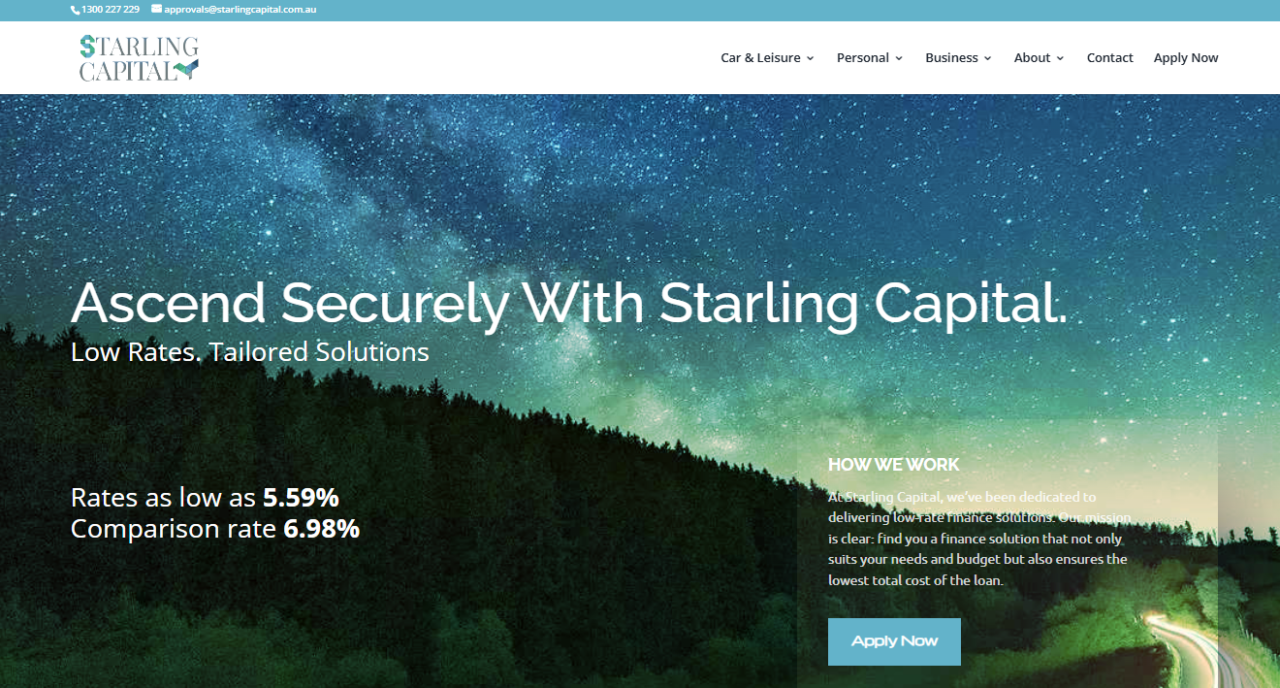
Company Information
One of the most serious concerns surrounding Starling Capital is the absence of clear company information. The broker does not disclose the name of the legal entity behind the platform, does not specify a country of registration, and provides no corporate address or registration number.
This creates several immediate risks:
- clients do not know who legally controls the platform;
- there is no identifiable counterparty to any agreement;
- legal responsibility for client funds is undefined.
For a broker claiming to operate internationally, this level of anonymity is a major red flag.
Regulation and Licensing
Starling Capital states that it is regulated by the Cyprus Securities and Exchange Commission (CySEC). However, this claim is not supported by any verifiable evidence.
Specifically:
- no license number is provided;
- no licensed company name is disclosed;
- no link to the official CySEC register is available.
Licensed brokers regulated by CySEC always publish clear and verifiable regulatory details. The absence of such information strongly suggests that Starling Capital is not authorized and that references to regulation are being used purely for marketing purposes.
Trading Instruments
The broker claims to offer a wide range of trading instruments, including:
- forex currency pairs;
- cryptocurrencies;
- shares of major companies;
- stock indices;
- metals and commodities;
- ETFs, bonds, and options.
While this list appears extensive, it is not supported by any technical documentation. Starling Capital does not publish contract specifications, trading hours, or instrument conditions. There is also no explanation of how these assets are sourced or priced.

As a result, these instruments should be viewed as internal CFD products rather than access to real underlying markets.
Market Access Claims
Starling Capital advertises access to major global exchanges such as NYSE, Nasdaq, LSE, Euronext, and HKEX. These claims are presented without any supporting infrastructure details.
The broker does not disclose:
- liquidity providers;
- clearing or settlement partners;
- custody arrangements;
- execution model (STP, ECN, or dealing desk).
Without these elements, real exchange access is impossible. In practice, all trading appears to take place within the broker’s own system, where pricing and execution are fully controlled by the platform.
Trading Platform
Starling Capital uses a proprietary web-based trading platform instead of established third-party solutions. This closed platform does not allow independent verification of prices or trade execution.
Key risks associated with this setup include:
- inability to confirm the accuracy of quotes;
- full control of execution by the broker;
- lack of external audit or verification.
Such platforms are commonly used by high-risk brokers because they allow total control over client trading activity.
Account Types and Conditions
The broker offers several account tiers with different minimum deposit requirements. However, the differences between these accounts are not clearly defined.
What is missing:
- spreads and commissions;
- leverage and margin requirements;
- swap rates;
- risk management rules.
Without this information, clients cannot assess trading costs or risks before depositing funds. The account structure appears designed to encourage higher deposits rather than to provide transparent trading services.
 Deposits and Withdrawals
Starling Capital does not disclose payment methods, withdrawal procedures, processing times, or fees. These details are not available prior to registration.
This lack of transparency exposes clients to:
- unexpected fees;
- withdrawal delays;
- potential refusal of withdrawal requests.
In unregulated environments, such practices often result in clients losing access to their funds.
Customer Support
Communication with Starling Capital is limited to an online contact form. The broker does not publish phone numbers, physical office locations, or corporate email addresses. Social media links, if present, are inactive.
This communication model makes it difficult for clients to resolve issues and suggests an intention to limit accountability.
Conclusion
Starling Capital shows multiple warning signs associated with unregulated and potentially fraudulent brokers. The lack of legal identification, unverified regulatory claims, unsupported market access statements, closed trading platform, hidden trading conditions, and anonymous communication model all point to a high-risk operation.
Starling Capital cannot be considered a legitimate broker. The platform offers no legal protection, no transparency, and no reliable safeguards for client funds. Any interaction with this broker carries a serious risk of financial loss and should be avoided.


