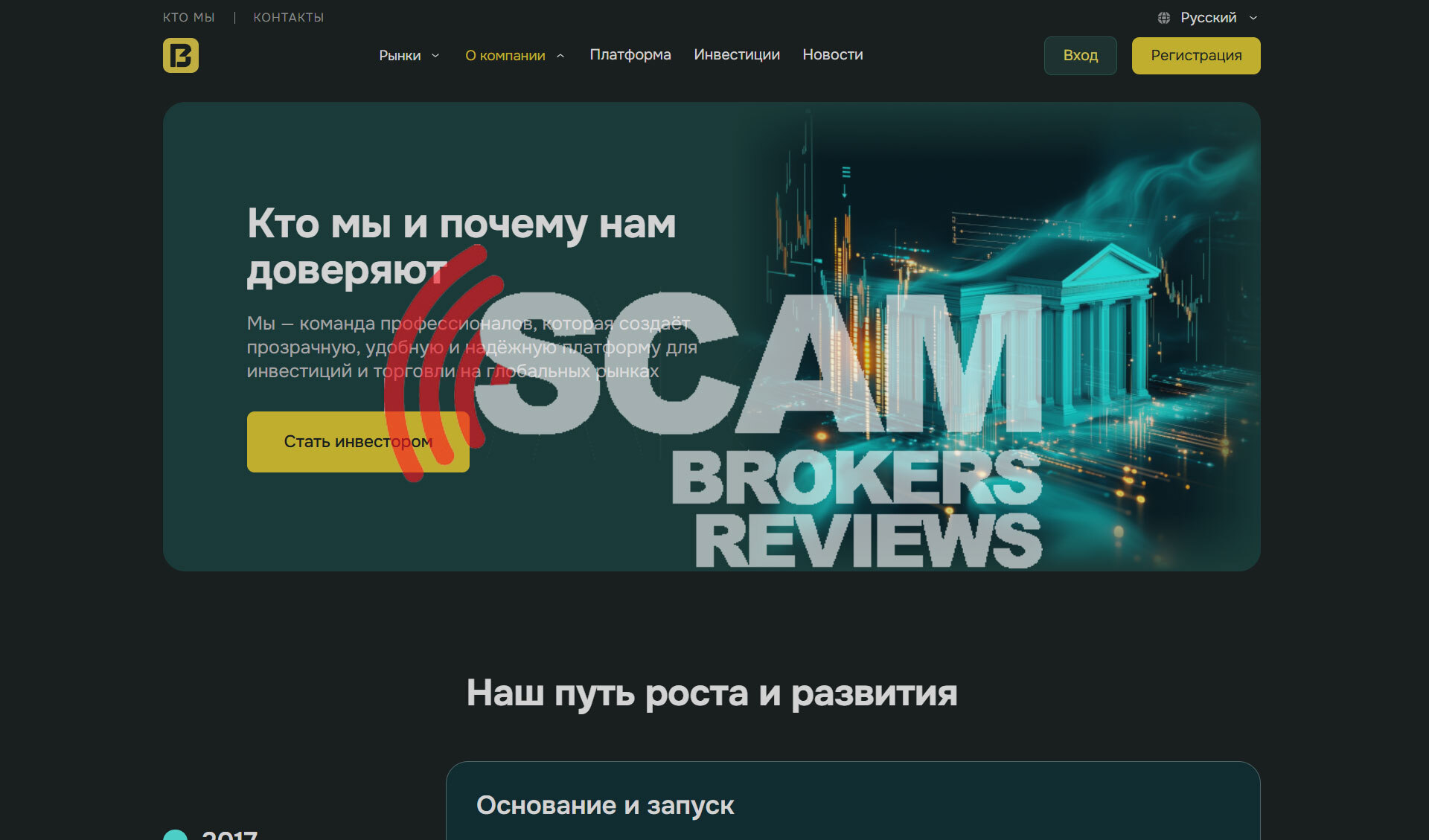



Safevault Scam Review
The cryptocurrency market attracts both innovative companies and high-risk investment schemes. Safevault presents itself as an international crypto platform offering digital asset trading, fixed-return investment plans, and access to multiple financial markets. At first glance, the website appears professional, but a closer investigation reveals numerous warning signs that should not be ignored.

This review examines the most significant red flags surrounding Safevault and explains why many investors question the platform’s legitimacy.
What Is Safevault?
Safevault claims to offer a variety of financial services, including:
- cryptocurrency trading;
- fixed-income investment plans;
- access to stocks, Forex, commodities, and indices;
- Web3 wallet connectivity;
- cryptocurrency exchange services.
The company also advertises support for popular cryptocurrencies such as Bitcoin, Ethereum, USDT, Litecoin, and Dogecoin.
While these features are common among legitimate crypto platforms, the real concern lies in the lack of transparency behind the business.

Red Flag #1 – False Claims About Company History
One of the first inconsistencies appears when comparing Safevault’s marketing claims with publicly available information.
The website suggests that the company has decades of financial experience and claims to have entered the financial market in 2014. However, publicly available domain records show that safevault.cc was registered only in 2026.
A newly registered domain is not automatically suspicious. However, when a company claims years of successful operation but cannot provide any evidence—such as archived websites, regulatory filings, corporate records, or historical business information—it raises serious credibility concerns.
Red Flag #2 – No Financial Regulation
Safevault does not provide evidence of regulation by any recognized financial authority.
There is no publicly available information regarding:
- financial licenses;
- regulatory supervision;
- company registration number;
- official legal entity;
- investor protection mechanisms.
Licensed brokers and investment firms normally publish this information because it builds trust and allows investors to verify the company’s legal status.
Safevault does not.
Red Flag #3 – Unrealistic Investment Returns
The platform promotes investment plans promising approximately 1% profit every day, with additional bonuses for longer investment periods.
This would represent annual returns exceeding 365%, assuming profits are paid consistently.
No legitimate investment company can guarantee fixed daily profits regardless of market conditions. Cryptocurrency prices fluctuate constantly, making guaranteed returns highly unrealistic.
Even more concerning is that Safevault never explains:
- how profits are generated;
- who manages investor funds;
- what trading strategy is used;
- whether independent audits exist.
Without this information, investors are expected to rely solely on the company’s promises.
Red Flag #4 – Withdrawal Complaints
One of the most common themes found in online reviews involves withdrawal problems.
According to multiple users, withdrawals are either delayed indefinitely or blocked entirely.
Many customers report being instructed to pay additional fees before receiving their own money, including:
- tax payments;
- insurance fees;
- account verification charges;
- withdrawal activation fees;
- administrative commissions.
Victims frequently state that after paying one fee, another payment is requested instead of processing the withdrawal.
This pattern is commonly reported in fraudulent investment schemes designed to extract additional funds from victims.
Red Flag #5 – Lack of Corporate Transparency
Safevault provides very limited information about the company behind the platform.
Important details are either missing or impossible to verify, including:
- company ownership;
- corporate registration documents;
- audited financial statements;
- business licenses;
- executive team information.
Legitimate financial companies generally make this information easily accessible.

User Reviews
Independent reviews of Safevault are largely negative.
The most common complaints include:
- inability to withdraw funds;
- frozen accounts;
- repeated requests for additional payments;
- pressure from account managers to deposit more money;
- customer support becoming unresponsive after deposits.
Although online reviews should always be evaluated carefully, repeated complaints describing the same pattern are difficult to ignore.
Signs Commonly Associated With Investment Scams
Safevault displays several characteristics frequently associated with high-risk or fraudulent investment platforms:
- unverifiable company history;
- recently registered website despite claims of long-term operation;
- no verified financial regulation;
- unrealistic guaranteed investment returns;
- poor corporate transparency;
- unclear withdrawal procedures;
- recurring reports of blocked withdrawals;
- demands for additional payments before releasing funds.
None of these factors alone conclusively proves fraud. However, when several appear together, they significantly increase the overall risk for investors.
Final Verdict
Safevault promotes itself as an international cryptocurrency investment platform, but publicly available information reveals numerous warning signs that should concern potential users.
The combination of an unverifiable company history, lack of financial regulation, unrealistic investment promises, limited legal transparency, and numerous withdrawal complaints makes Safevault appear substantially riskier than established, regulated crypto platforms.
Anyone considering investing through Safevault should exercise extreme caution. Before depositing any funds, independently verify the company’s legal status, regulatory authorization, and withdrawal history. If a platform promises unusually high guaranteed returns while providing little verifiable information about its operations, treating it as a potential scam is the safest approach until credible evidence demonstrates otherwise.