

Is Quotex a Scam?
In a world flooded with online trading platforms, Quotex stands out for its bold promises: fast payouts, high returns, and a sleek user interface tailored to novice and seasoned traders alike. But is this platform a legitimate broker — or is it another scam hiding behind a polished design?
In this investigation, we break down everything from regulatory credentials and client feedback to operational transparency and risk exposure. If you’re wondering whether Quotex is safe, read on.
What is Quotex?
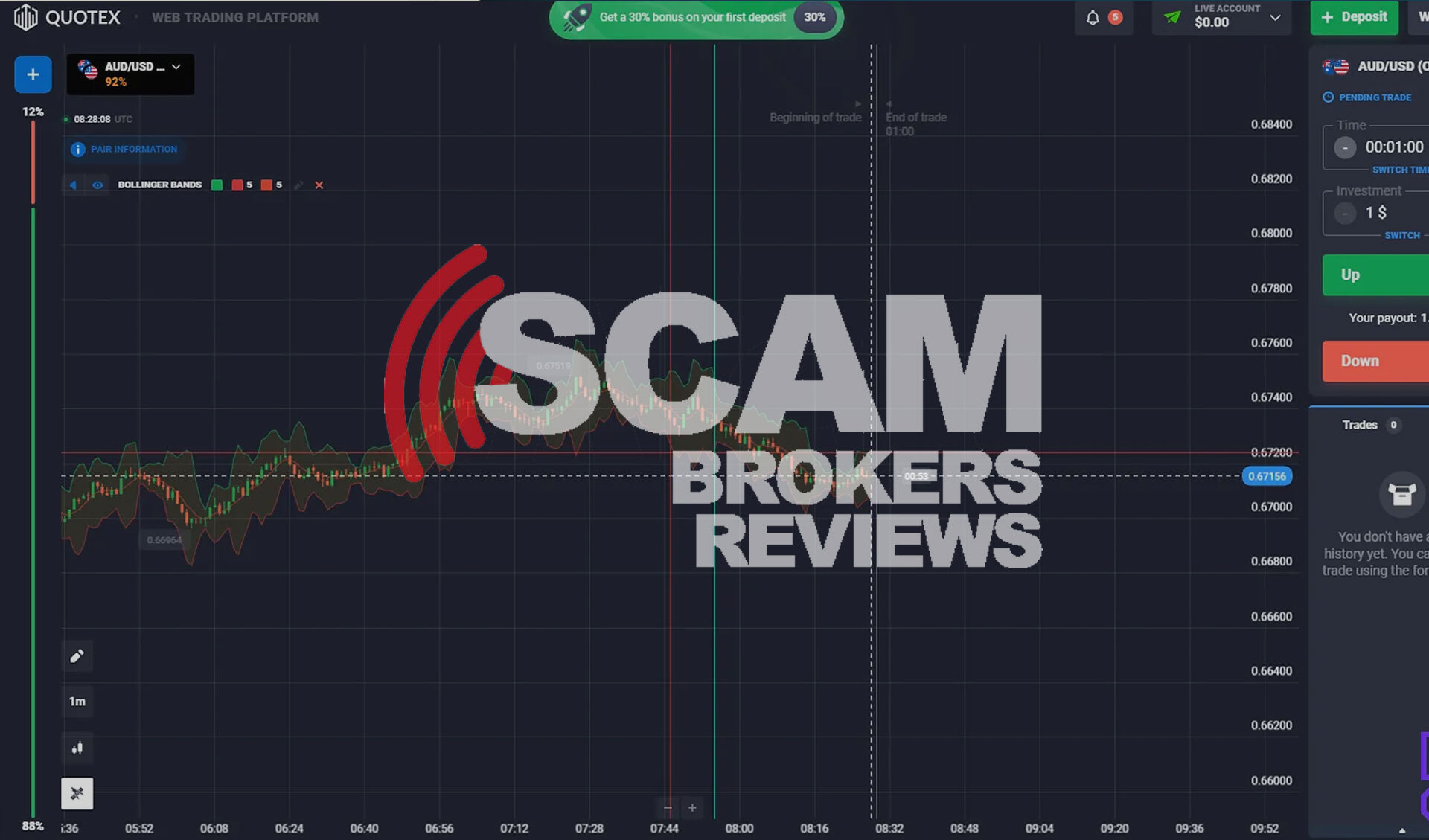
Quotex (found at quotex.com) operates as a binary options trading platform, offering users the chance to speculate on the short-term price movement of financial assets. These include:
- Forex pairs
- Cryptocurrencies
- Commodities
- Indices
Instead of buying or selling actual assets, users place “up” or “down” bets — if their prediction is correct at the time of expiry, they receive a fixed return (often up to 90–95%). If wrong, they lose their entire stake.
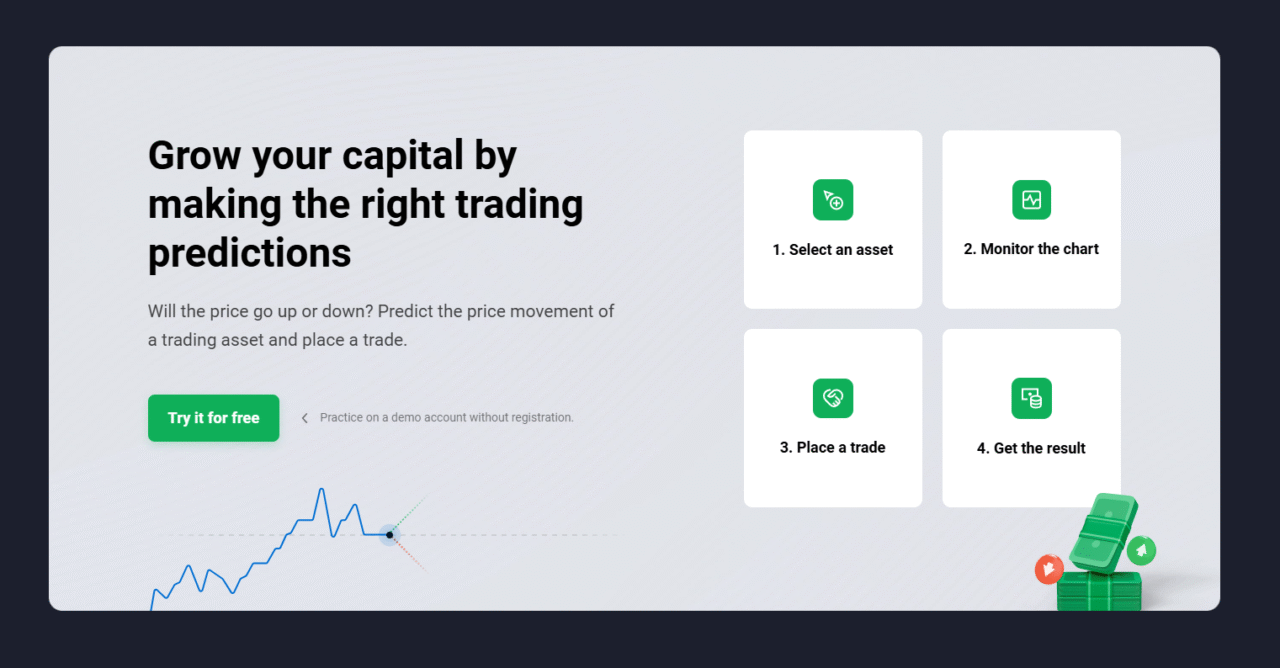 While the model appears simple, it’s also inherently risky. And when platforms offering such instruments are unregulated or opaque, the risks multiply.
Who Operates Quotex?
Quotex is not backed by any well-known financial institution. Instead, the brand has been linked to a rotating cast of offshore entities, including:
- Maxbit LLC – based in Saint Vincent and the Grenadines
- Awesomo Ltd – reportedly registered in Seychelles
- ON SPOT LLC Group – claiming headquarters in St. Kitts and Nevis
None of these entities are subject to stringent financial oversight. In fact, St. Vincent and the Grenadines (SVG) is known for issuing company registrations without regulating or licensing forex and binary brokers. The same applies to Seychelles and St. Kitts — both offshore zones with limited consumer protection frameworks.
This shell-game of company names and jurisdictions suggests a deliberate strategy to avoid legal accountability.
Is Quotex Regulated?
No. Quotex is not regulated by any reputable financial authority.
It does not hold a license from any of the following:
- FCA (UK)
- CySEC (Cyprus)
- ASIC (Australia)
- NFA (USA)
- BaFin (Germany)
- SEBI (India)
Instead, Quotex previously claimed “certification” from IFMRRC (International Financial Market Relations Regulation Center) — a known pseudo-regulator that offers “certificates” to brokers for a fee without imposing any actual oversight or investor protection.
To make matters worse, Quotex’s IFMRRC certificate expired in 2021 and has not been renewed since.
Regulatory Warnings: A Global Pattern of Red Flags
Quotex has been the subject of multiple warnings and blacklists issued by financial watchdogs around the world. Here’s a summary of official actions:
- Spain (CNMV): Issued a warning in 2021, stating that Quotex was not authorized to offer investment services.
- Italy (CONSOB): Ordered ISPs to block access to Quotex websites.
- Portugal (CMVM): Labeled Quotex’s activities illegal, urging users to stay away.
- India (RBI): Included Quotex on its “Alert List” of unlicensed forex and binary platforms.
- Russia: Added Quotex to its registry of financial scammers and blocked dozens of related domains.
These actions reflect a consensus among regulators: Quotex operates outside the law in multiple jurisdictions and poses a danger to retail investors.
Customer Reviews and Complaints
While Quotex maintains a relatively high score on some public review platforms like Trustpilot, digging deeper reveals a much darker trend:
🔹 Denied Withdrawals
Numerous users report that withdrawals are blocked or delayed indefinitely, especially after they’ve turned a profit. In some cases, accounts are closed entirely without explanation, and only initial deposits are returned.
🔹 Price Manipulation Allegations
Traders across forums like Reddit and Forex Peace Army claim that asset prices on Quotex mysteriously shift during the final seconds of trades — often flipping a win into a loss. Since Quotex doesn’t use third-party pricing sources, there’s no independent way to verify quotes.
🔹 Identity Verification Abuse
Several clients describe being forced to go through repeated or excessive identity checks — including unusual “selfie video” requests — often used as a delay tactic when withdrawing funds.
🔹 Affiliate Fraud
Even affiliate marketers, who promote Quotex for commission, have reported blocked payouts and sudden bans after months of successful referrals.
Lack of Transparency
Unlike regulated brokers that are required to disclose their legal entity, license numbers, board members, and client fund policies, Quotex offers no such transparency.
There is no mention of:
- Company leadership or ownership
- Legal jurisdiction for disputes
- Segregated bank accounts for client funds
- Audited financial statements
Moreover, the platform has been observed to frequently change its domain names (e.g., qxbroker.com, quotex.io, etc.) after blocklists or complaints, a common behavior among scam operations.
 Payment Systems and Irreversibility
Quotex allows deposits via:
- Cryptocurrencies (BTC, ETH, USDT, etc.)
- E-wallets like Perfect Money and Piastrix
- Credit/debit cards via third-party processors
Crypto deposits are non-reversible, meaning once funds are sent, users have no recourse if the broker refuses to pay out.
For card deposits, users have limited protection, and chargebacks may only be possible within a short window, depending on their issuing bank.
Expert Verdict: Is Quotex a Scam?
While we cannot legally define Quotex as a scam without a formal court decision, the available evidence strongly indicates that the platform operates under a high-risk and potentially predatory business model.
Several serious concerns raise red flags about Quotex’s legitimacy:
- Lack of Regulation: Quotex operates without any financial licenses from recognized authorities. It is not regulated in any major jurisdiction, which means it is not subject to standard compliance or oversight.
- Regulatory Bans: Multiple financial regulators, including those in the European Union, India, and Russia, have issued warnings or blocked access to Quotex for operating illegally.
- Client Complaints: There is a consistent pattern of user reports involving frozen accounts, refused withdrawals, and suspicious price movements during trades. These issues have been widely discussed across forums and review sites.
- Opaque Ownership: Quotex is tied to a series of offshore companies registered in jurisdictions known for lax corporate governance. The ownership structure is unclear and changes frequently.
- Fake Regulation Claims: The platform previously claimed to be “certified” by IFMRRC, an unrecognized and non-governmental entity. This so-called certification carries no legal or regulatory weight.
- Misleading Marketing: Quotex aggressively promotes its services as an easy way to earn money, despite the high-risk nature of binary options. This type of advertising often targets inexperienced traders.
- Absence of Legal Protections: Users of Quotex are not covered by any investor compensation scheme. There is no formal dispute resolution process, and in the event of a dispute or platform failure, clients have no legal recourse.
Taken together, these points create a troubling picture. Quotex exhibits many characteristics typical of untrustworthy and unregulated brokers. Proceeding with this platform involves substantial financial risk.
Final Recommendation
Avoid using Quotex.
Whether you’re a beginner exploring online trading or an experienced investor looking for high-return opportunities, you should steer clear of platforms that:
- Are unregulated
- Have been blacklisted by national authorities
- Rely on unverifiable pricing
- Make it difficult or impossible to withdraw your funds
There are safer, transparent, and regulated brokers available — with full legal accountability and third-party oversight. Quotex, unfortunately, is not one of them.
If you’ve already deposited funds with Quotex and encountered problems, you should:
- Report the platform to your country’s financial regulator.
- Attempt a chargeback via your card issuer (if eligible).
Consult a financial fraud recovery specialist.