


Is QuickTrade a Scam?
In the age of digital finance, where new brokers seem to pop up daily, the need for proper due diligence is more important than ever. One platform currently attracting attention is QuickTrade, operating via quicktrade.world and platform.quicktrade.world. It promotes itself as a user-friendly, high-tech trading solution offering CFDs across forex, stocks, indices, commodities, and crypto assets.
 But beneath the glossy exterior, traders are increasingly asking a serious question:
Is QuickTrade a scam?
We conducted an in-depth investigation into the company’s structure, regulatory standing, marketing tactics, and user feedback to uncover the truth.
Is QuickTrade a scam?
QuickTrade’s online presence is slick and persuasive. The website is filled with promises of:
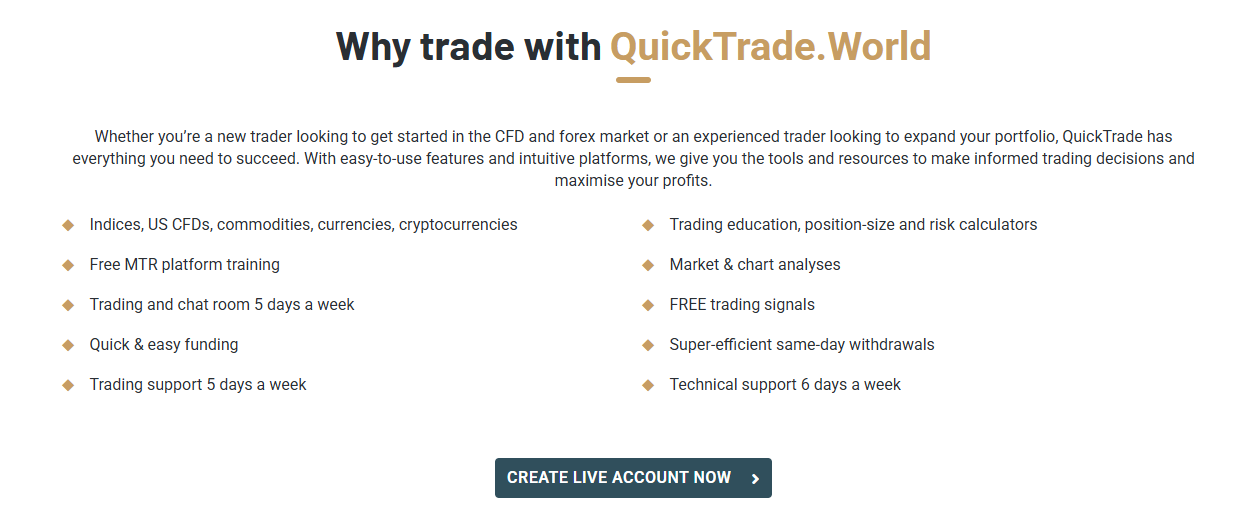
- Fast withdrawals (even same-day)
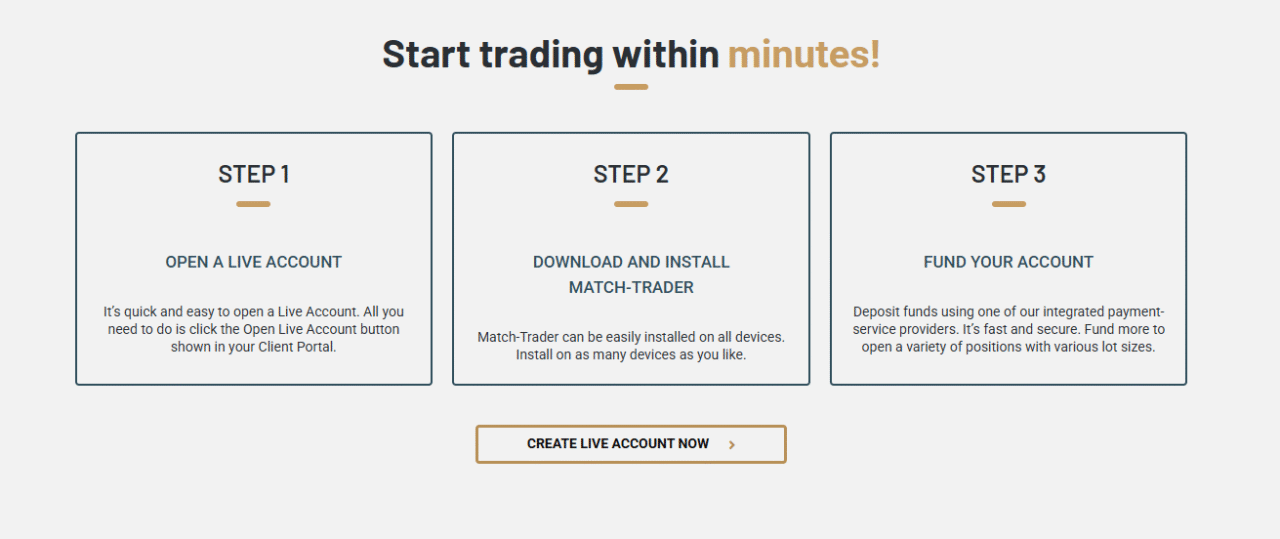
- Easy account setup
- Free trading tools and education
- High leverage (up to 1:1000)
- Round-the-clock customer support
- “Guaranteed success” language and easy profit claims
On the surface, this seems like a trader’s dream — especially for beginners. But experienced investors know that “guaranteed profit” claims are usually a trap. Regulated brokers do not — and cannot — make such promises. In fact, regulators worldwide prohibit this kind of messaging because it misleads users into underestimating risk.
This is the first red flag.
Who Regulates QuickTrade?
QuickTrade claims to be licensed and legitimate — but a closer inspection shows a deliberately confusing structure meant to mislead users about its regulatory status.
What we found:
- QuickTrade (Pty) Ltd, based in South Africa, holds a local FSCA license (No. 45262). However, this license applies only to basic financial intermediation services within South Africa. It does not authorize CFD trading or cover international clients.
- The actual trading operations — including account funding, trade execution, and client fund handling — are performed by QuickTrade.World (Pty) Ltd, registered in Botswana, an offshore jurisdiction with no real oversight for online brokers.
This means the company you’re actually sending money to is not regulated by any major global financial authority. There’s no FCA (UK), no ASIC (Australia), no CySEC (EU). If something goes wrong — such as frozen funds or trade manipulation — you have no legal protection.
 That’s red flag number two.
No Transparency, No Accountability
One of the classic signs of a scam broker is a lack of transparency. With QuickTrade, you’ll find:
- No information about company ownership
- No named executives or directors
- No physical headquarters you can verify
- WHOIS privacy shielding on all domain registrations
Even the so-called “legal” address listed in South Africa has been identified by independent researchers as non-existent or unverifiable.
This level of anonymity is not normal for a legitimate financial firm. It’s a pattern common to fraudulent offshore entities that disappear once complaints escalate or regulatory bodies begin inquiries.
That’s red flag number three.
Real Trader Experiences: A Pattern of Abuse
Beyond the marketing and paperwork, what really matters is how a broker treats its clients. And when it comes to QuickTrade, the online reviews are damning.
On platforms like Trustpilot, users report:
- Sudden account freezes after profitable trades
- Delayed or refused withdrawals
- Pressure to deposit more funds to unlock supposed profits
- Ignored support tickets
- Unexpected fees when attempting to cash out
Many reviewers explicitly call QuickTrade a “scam,” “fraud,” or “money trap.” These are not isolated incidents — they form a clear, repetitive pattern of user exploitation.
And here’s the most telling part: QuickTrade rarely, if ever, responds to these complaints. No public customer service follow-up. No remediation. Just silence.
That’s red flag number four — and perhaps the most serious.
The Classic Scam Playbook
When looking at the facts, QuickTrade follows the same blueprint seen in dozens of fraudulent platforms:
Flashy branding to attract novices
Promises of fast money and “easy trading”
Opaque company structure and hidden ownership
Offshore registration with minimal accountability
A regulatory “cover license” that doesn’t actually protect users
A flood of complaints from customers unable to withdraw their funds
This is not innovation — this is exploitation.
 So, Is QuickTrade a Scam?
Let’s summarize what we know:
- It operates under an offshore entity with minimal or no regulation.
- Its marketing tactics are misleading and potentially illegal in stricter jurisdictions.
- It lacks transparency about ownership and operations.
- User complaints are numerous, detailed, and serious.
- There is no meaningful oversight or investor protection in place.
Based on all available evidence:
Yes — QuickTrade shows all the signs of being a high-risk, potentially fraudulent broker.
What Should You Do If You’ve Deposited Funds?
If you’ve already sent money to QuickTrade, consider taking these steps immediately:
- Stop depositing. Do not send any additional funds, even if they promise to “unlock” profits.
- Request a withdrawal. If denied, document everything — email confirmations, transaction records, chats.
- Contact your bank or card provider to initiate a chargeback, especially if you funded your account via credit card.
- Report the broker to your local financial authority.
- Warn others — leave honest reviews and share your experience on verified platforms.
How to Protect Yourself Going Forward
To avoid falling into similar traps in the future, remember:
- Always verify licensing with official regulatory websites (e.g., FCA, ASIC).
- Avoid brokers registered in offshore jurisdictions with little or no oversight.
- Be skeptical of any platform that promises easy money.
- Check online reviews from multiple independent sources.
- Never trade with a company you can’t trace legally or contact directly.
Conclusion on broker
QuickTrade might look like a modern trading platform, but its structure, behavior, and track record all point in the same direction: this broker is not safe. While it may not publicly call itself a scam, its actions speak louder than its marketing slogans.
Until it proves otherwise — through full transparency, regulatory accountability, and user trust — QuickTrade should be treated as a high-risk broker to avoid.
Your money, your rules — but don’t let it become their profit.