

Kogza (kogza.com) Broke Review
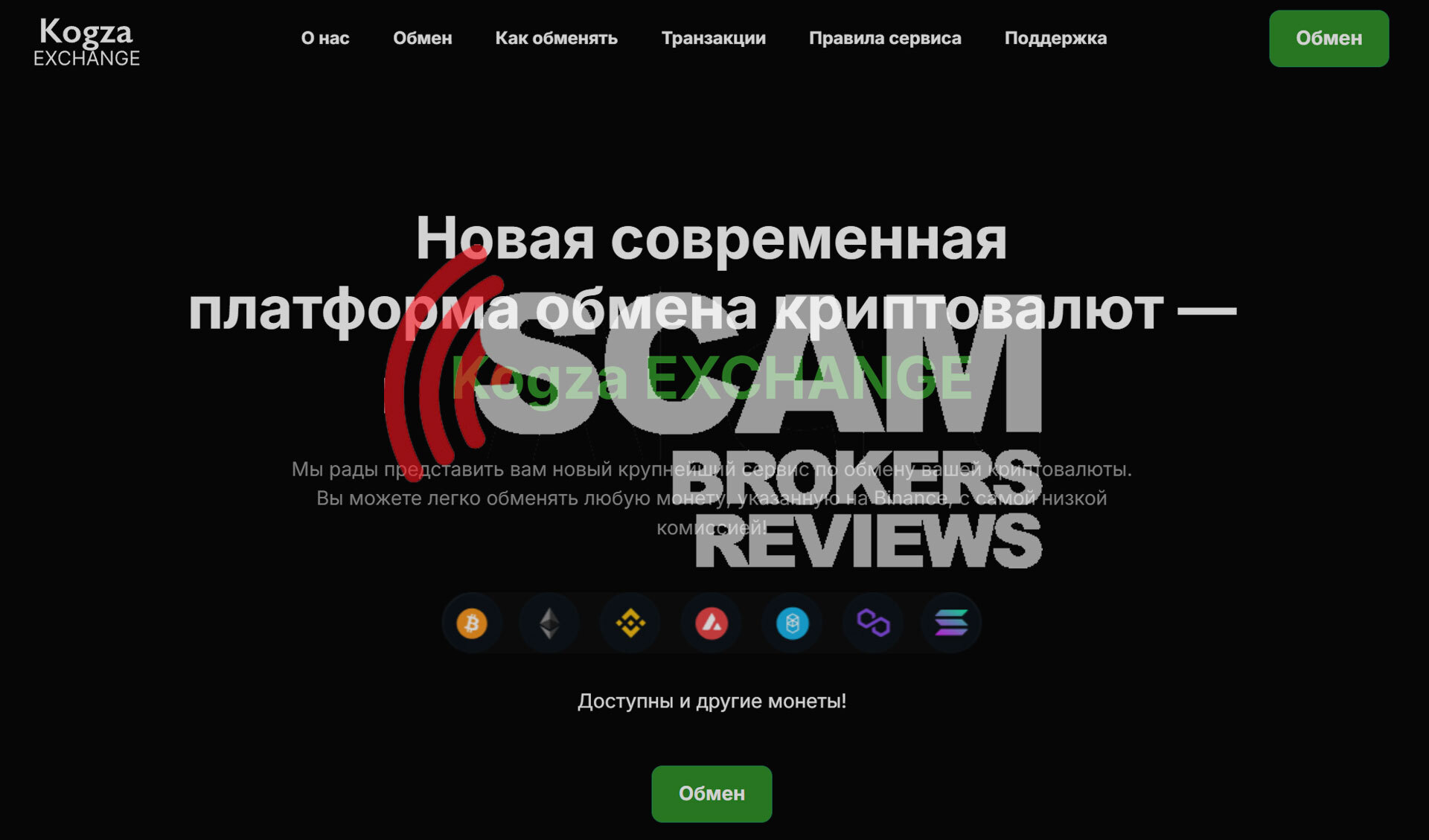
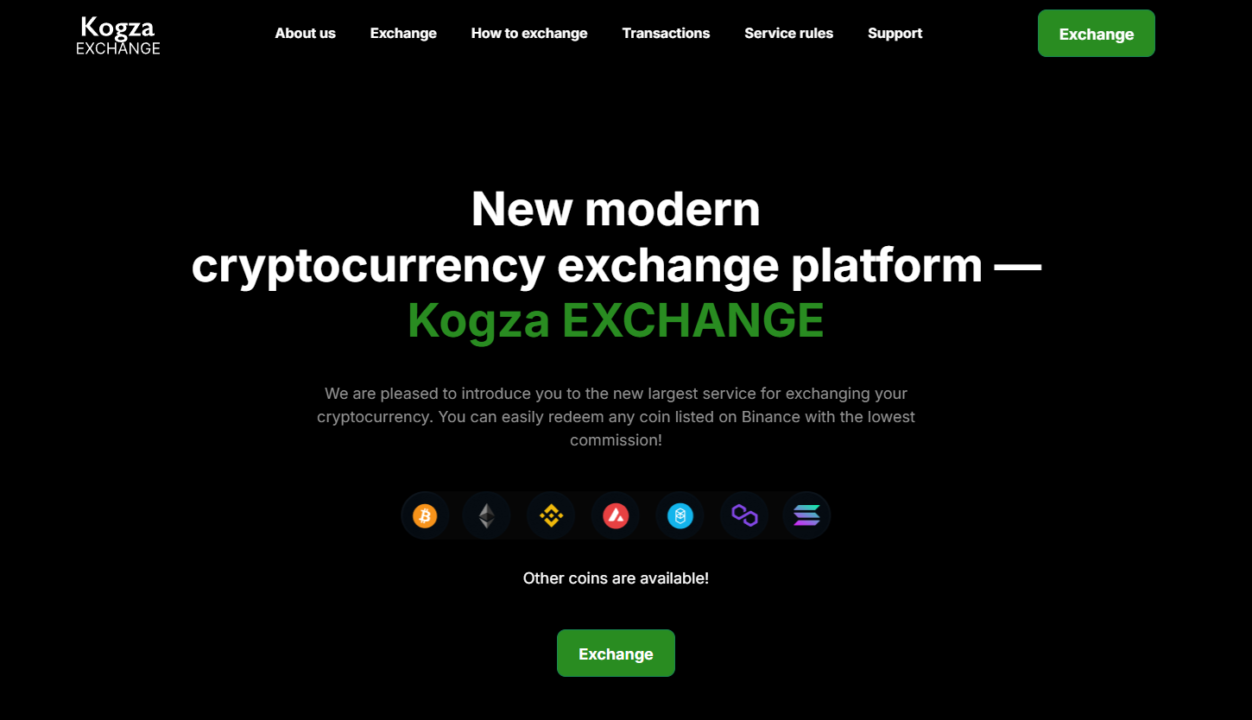
Kogza (kogza.com) publicly markets itself as a cryptocurrency exchange with features like trading, custodial wallets, liquidity investments, and automated trading robots. However, a thorough investigation reveals significant and undeniable red flags suggesting that Kogza is not a legitimate exchange. From lack of regulation and opaque corporate structure to chronic withdrawal issues and absence of proven infrastructure, the platform exhibits patterns consistent with fraudulent, scam operations. Anyone considering interacting with Kogza should treat it as extremely high risk.
Lack of Regulation
Kogza does not disclose:
- a legally registered corporate entity;
- a country of incorporation;
- operating licenses from any financial or crypto regulator.
There is no presence in official regulator registries in major jurisdictions. Legitimate exchanges must hold licenses from bodies such as FCA, CySEC, FINRA, or equivalent authorities. Kogza has none of these. The absence of regulatory oversight means there is no accountability, consumer protection, or legal recourse if things go wrong.
This is the first and most critical indicator of a potentially fraudulent platform.
Opaque Corporate Structure
Kogza hides all crucial business information:
- no owners, executives, or management information;
- no audited financials;
- no publicly verifiable corporate filings;
- incomplete or vague contact information.
Projects that conceal their corporate structure do so to avoid responsibility and evade liability. This is common for operations that intend to extract funds and then vanish.
Unsupported Feature Claims
Kogza claims to offer:
- cryptocurrency trading;
- custodial wallets;
- liquidity pools;
- automated “trading robot”.
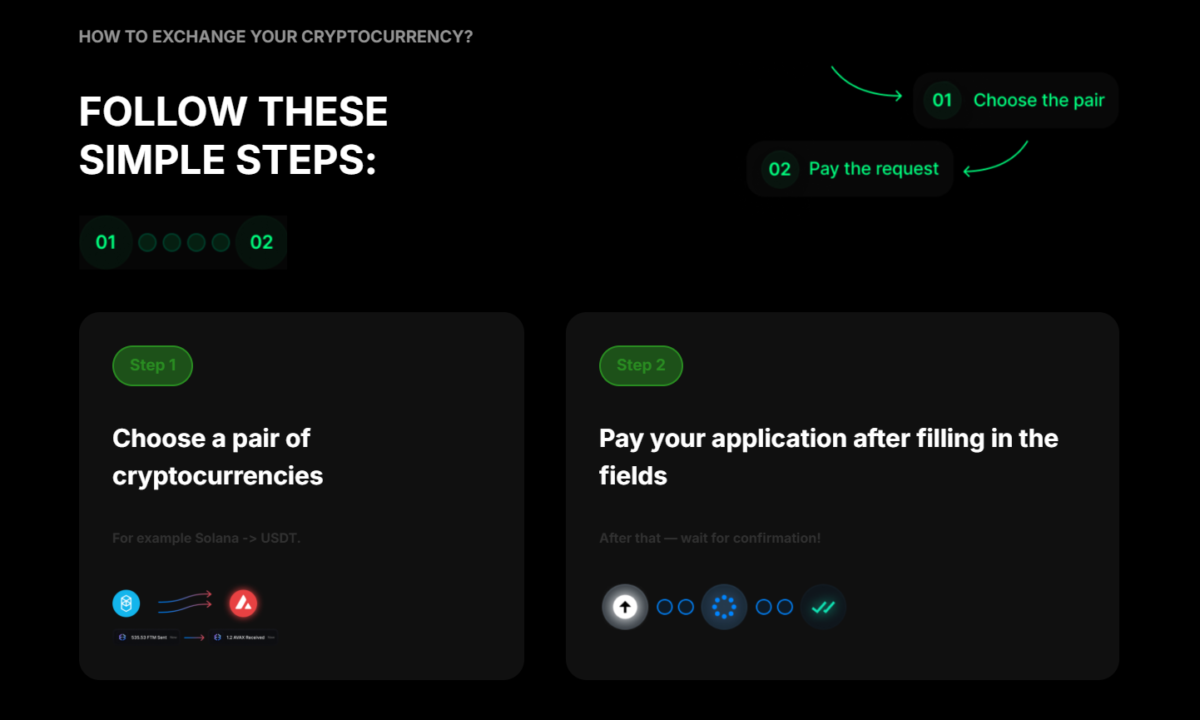
None of these capabilities are backed by verifiable evidence:
- no documentation of supported assets or trading pairs;
- no fee schedule or trading terms;
- no API, whitepaper, or technical proof of execution;
- no audited proof of trading infrastructure.
These claims read like marketing slogans, not verifiable business functions.
Registration and KYC
Users can register on Kogza without mandatory identity verification (KYC). At first glance this may appear user‑friendly. In reality, it enables money laundering, obscures user accountability, and removes any real client protection.
Moreover, the platform permits multiple user accounts without proper safeguards. Reputable exchanges enforce strict KYC/AML policies. Kogza’s refusal to do so signals blatant non‑compliance and high risk.
Custody and Security
Kogza asserts that it provides:
- internal wallets;
- 2FA authentication;
- SMS verification.

But there is no published proof of:
- cold storage solutions;
- proof of reserves;
- independent security audits;
- blockchain‑verified asset holdings.
Without these, it is impossible to verify that user funds are actually held on real wallets. This opaque custody model is typical of platforms where user balances exist only on internal ledgers that can be wiped or manipulated.
Withdrawals
This is where Kogza’s platform behavior becomes most dangerous.
Reported user experiences include:
- withdrawal requests pending indefinitely;
- sudden rejection of withdrawals with no justification;
- demands for “additional fees” or “verification payments” to release funds;
- complete account freezing shortly after deposit.
This pattern is a classic hallmark of scam operations: accept deposits quickly, drag out or block withdrawals, and ultimately keep the funds.
Kogza does not publish clear withdrawal terms, fee structures, or timelines. This allows the platform to arbitrarily delay or refuse withdrawals.
Customer Support
Legal exchanges provide transparent, responsive customer support. Kogza’s “support” is reported to be:
- slow to respond;
- unhelpful;
- non‑existent after withdrawal requests.
Users describe automated replies or complete silence. This behavior shows a lack of operational support infrastructure and reinforces the conclusion that the platform is not committed to user protection.
Consistent Negative Patterns
Independent reviews consistently point to the same problems:
- inability to withdraw funds;
- invisible, non‑existent support;
- opaque features that don’t work as advertised;
- platform behavior common to scam exchangers.

When multiple independent accounts describe the same issues, the credibility of the platform collapses.
Domain and Technical Indicators
Technical analysis reveals:
- obscured WHOIS registration;
- no transparent operational history;
- lack of verifiable infrastructure.
Web properties that hide fundamental details about ownership and operation are commonly used by short‑term fraudulent schemes that can be quickly rebranded or abandoned.
Marketing Tactics
Kogza uses attractive, simplistic language to lure users:
- “Easy access to crypto”
- “Automated trading robot”
- “Instant liquidity”
These claims are not substantiated with technical documentation, audits, or verifiable proof. Users are drawn by buzzwords, not by tangible capabilities.
Risk Summary
Based on all examined evidence:
Kogza presents an extremely high risk of funds loss.
This is not a marginal risk. The convergence of:
- no licenses;
- no regulatory oversight;
- no real corporate transparency;
- withdrawal obstruction;
- no proof of operation;
means that engaging with this platform is akin to entrusting your funds to an anonymous operator with no accountability.
Final Verdict
Kogza does not resemble a legitimate, transparent cryptocurrency exchange. It exhibits multiple, consistent indicators of a hostile financial service designed to extract funds without delivering value or protection.
Based on current evidence, Kogza should be treated as:
a high‑risk, potentially fraudulent platform, unsuitable for any serious trading or investment. Users are strongly advised to avoid it entirely.